
"defective coffee beans"
9000 article(s) found

Blue Mountain Coffee Size Priority Grading System
Blue Mountain coffee, although produced in small quantities, has a strict grading system, even if produced in legal Blue Mountain producing areas, according to the size of beans and defect ratio for grading. ? BlueMountainNo.1 Blue Mountain No.1 Bean Type: More than 96% 17/18 mesh Defective Bean Proportion: 2% BlueMountainNo.2 Blue Mountain No.2 Bean Type: More than 96% 16/17 mesh Defective Bean Proportion: 2% BlueMo
Kinds of defective beans
One of the most important factors affecting the quality of coffee is defective beans. The number of defective beans also affects the grade of coffee. For example, the coffee evaluation method used in Brazil is the "deduction method", which is graded according to the number of defective beans in 300 grams of staple beans per gram.
Ten kinds of defective beans in Coffee
One of the most important factors affecting the quality of coffee is defective beans. The number of defective beans also affects the grade of coffee. For example, the coffee evaluation method used in Brazil is the "deduction method", which is graded according to the number of defective beans in 300 grams of staple beans per gram.

Classification of coffee beans to distinguish defective beans
Grading by the number of points of defective beans is the earliest classification method, and it is still in use in many parts of Brazil. The method of identification is to randomly take 300 grams of samples and put them on black paper, because black paper can best avoid reflection. Then, examined carefully by the professional appraiser, find out the defective beans in the sample, and accumulate different scores according to the types of defects. For example, one black bean counts as one point.

Ten types of defective beans
Before selecting defective beans, raw beans need to be screened in order to make the beans uniform in size. You can use three different sizes of special custom screen, or you can use the metal screen sold in general horticultural shops, but pay attention to the size. The purpose of sieving is to separate the size of beans and remove impurities. The next step is hand-selected. In order to improve the efficiency of hand selection, some props must be used, including
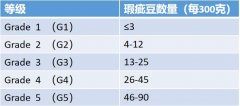
How are the boutique coffee beans graded? Coffee origin Ethiopian coffee bean grade discrimination
Sometimes we will see English and numbers, G1, G2, G3, AA, PB, SHB, SHG, HB and so on. Today, we will introduce the coffee bean grade of Ethiopia. It uses G1, G2, G3, G4, G5 and so on. To grade it. So what are their standards? The grade of coffee beans is usually based on the defect rate and the size of beans.

Introduction of Ten types of defective beans
Before selecting defective beans, raw beans need to be screened in order to make the beans uniform in size. You can use three different sizes of special custom screen, or you can use the metal screen sold in general horticultural shops, but pay attention to the size. The purpose of sieving is to separate the size of beans and remove impurities. The next step is hand-selected. In order to improve the efficiency of hand selection, some props must be used, including

About coffee aroma / defective smell
The defective odor Aromatic Taint is golden, and so is coffee. In addition to the natural and fresh aroma of flowers and fruits, sweet caramel, coffee will also have a bad smell, which is what we are going to talk about today. Before a cup of coffee is presented to guests, it often goes through many processes: picking, processing, transportation and storage of raw beans. Due to the complexity of production chain
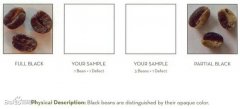
SCAA Fine Coffee grading defective Bean Standard
All black beans / part of black beans appearance features: black opaque raw bean cup sensory features: diversity: fermentation taste, sharp choking taste, turbidity, mildew taste, sharp sour taste, chemical irritation and other single or multiple odors mixture. Cause: excessive fermentation, leading to microbial invasion and infection. Appearance characteristics of whole sour beans / partial sour beans: raw beans have a yellow, yellowish brown or reddish brown appearance, usually

How to identify and avoid buying defective beans? What is the effect of defective beans on baking?
As bean bakers, they all hope to buy suitable beans at the best price. As we know, coffee raw beans can be divided into fine beans and commercial beans. How to make sure that you buy high-quality beans and how to select defective beans correctly? 1. Color 2. Odor (coffee beans are at risk of absorbing odors when the water is dry) 3. Moisture: 8 to 13% moisture content is critical to the integrity of raw coffee
Identification of coffee beans graded defective beans in coffee producing areas of Kenya
◎ grades defective beans by the number of points, which is the earliest method of grading, and is still in use in many parts of Brazil. The method of identification is to randomly take 300 grams of samples and put them on black paper, because black paper can best avoid reflection. Then, examined carefully by the professional appraiser, find out the defective beans in the sample, and accumulate different scores according to the types of defects. For example, one black bean counts as one.

Are Ethiopian coffee beans G1 and G2 just different in the number of defective beans?
Ethiopian coffee beans G1 and G2 are only different in the number of defective beans. Honey treatment is to remove immature beans and other defective bean leaves after flotation of coffee beans, and then carry out red, yellow and black treatment according to different regions. Yellow honey usually removes the most peel, about 40 percent peel, red honey 25 percent peel, black honey only peel, and then
Carefully filter "sick problem beans"
Defective beans, as the name implies, are defective beans, bad beans, just like bad apples. There are a variety of reasons and many kinds of coffee. Here is a detailed description of the things that affect the quality of coffee. A variety of factors can cause defective beans. Defective beans can be produced as large as the growing environment of coffee trees and as small as the process of harvesting and processing raw beans. But don't.
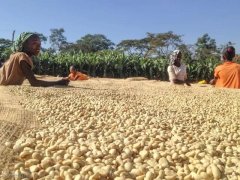
How are Ethiopian coffee beans graded? What's the difference between G1 and G3?
Professional coffee knowledge exchange more coffee bean information Please pay attention to the coffee workshop (Wechat official account cafe_style) often see Essel beans packaging written on what G1, G2, G3, what do these represent? What is the difference between them? The grading of Ethiopian coffee beans first of all, the Ethiopian Ministry of Agriculture has a person called CLU (Cupping and Liquoring Unit).

Introduction of Ten types of defective beans in the Common sense of Fine Coffee
Before selecting defective beans, raw beans need to be screened in order to make the beans uniform in size. You can use three different sizes of special custom screen, or you can use the metal screen sold in general horticultural shops, but pay attention to the size. The purpose of sieving is to separate the size of beans and remove impurities. The next step is hand-selected. In order to improve the efficiency of hand selection, some props must be used, including
When to pick defective beans?
Defective beans must not be picked from cooked beans. Screening defective beans is a basic work that must be carried out before baking. In the state of raw beans, pick out all the following kinds of beans and throw them away.

Methods and skills of manual selection of coffee beans and defective coffee beans
I agree that apples don't taste different because of their size, but when it comes to roasting coffee beans, they all have to be heated anyway, and it doesn't matter if the coffee beans are different in size. Coffee beans harvested from the same tree, regardless of size
How to deal with wormholes in coffee beans bought? are there any black beans to pick out from coffee beans?
Professional coffee knowledge exchange more information about coffee beans Please follow the coffee workshop (official Wechat account cafe_style) how to select defective coffee beans before selecting defective beans, in order to make the beans uniform in size, raw beans need to be screened. You can use three different sizes of special custom screen, or you can use the metal screen sold in general horticultural shops, but pay attention to the size. The purpose of screening
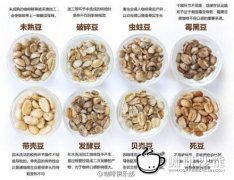
Coffee beans knowledge defective beans have a great influence on the taste of coffee.
The first step before baking beans is to pick out all kinds of defective beans, some of which are not easy to identify after baking. At present, there are some high-quality coffee raw beans on the market, which are carefully selected and processed when they leave the factory. The following picture shows the types and causes of defective beans.

What are the characteristics of fine coffee? what is the difference between fine coffee and fine coffee?
Professional coffee knowledge exchange more coffee bean information please follow the coffee workshop (Wechat official account cafe_style) what is boutique coffee? Part two: the story of raw coffee beans recently, we discussed how to define boutique coffee. Now, we are delving into the quality assessment process of green coffee, which is one of two ways for professionals to decide whether a kind of coffee is a specialty.